
Reform UK would reimpose two-child benefit cap
Reform UK has said it would reintroduce the two-child benefit cap in full if the party wins power, in a shift away from scrapping the limit.
The policy, introduced under the Conservatives in 2017, means parents can only claim universal credit or tax credits for their first two children.
The Labour government has committed to scrapping the cap from April, in a move that is estimated to cost £3bn a year by 2029-30.
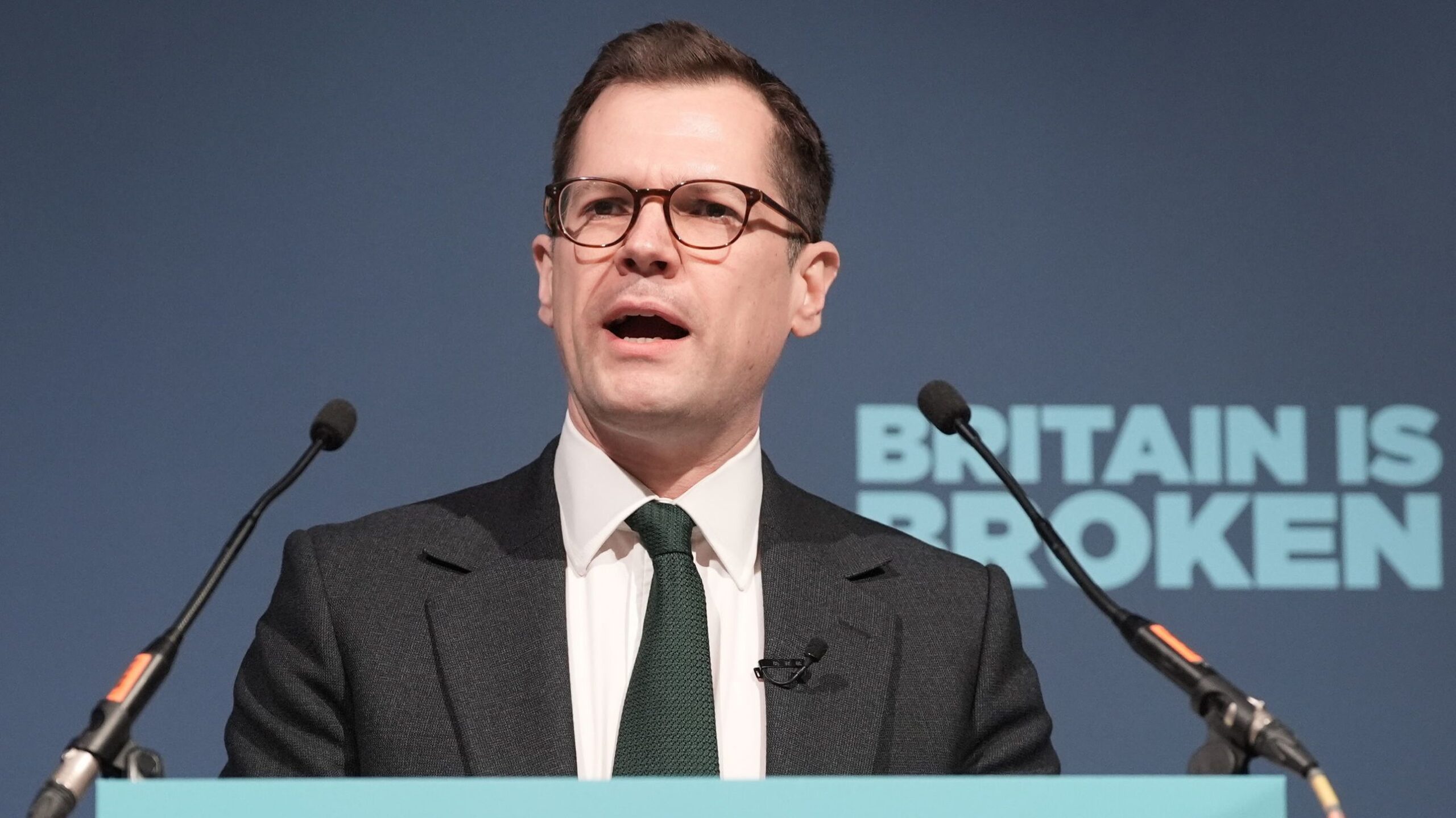
But Robert Jenrick said “right now” the country could not afford to “help working families have more children”, in his first speech as the party’s Treasury’s spokesman.
The announcement represents a reversal of the party’s previous position, which was to scrap the two-child benefit limit.
Last year, Reform UK leader Nigel Farage said lifting the cap was “not a silver bullet” and suggested his party wanted to go “much further to encourage people to have children”.
Farage has since said the cap would only be lifted for working British families.
In his speech, Jenrick went further and said “a Reform government will restore the cap in full”.
“Our benefits system is broken,” Jenrick said in a speech in the City of London. “It’s an economic and a moral disaster.”
Jenrick said Reform UK would “defuse the benefits bomb set to bankrupt Britain” if his party won the next general election.
“We are developing the most comprehensive plan for welfare reform in British politics, which we will set out in the months ahead,” he said.
Shedding costly policies
Reform UK has been gradually binning some of its costly policies, as it seeks to reassure voters and financial markets its economic policies are credible.
As a result, some of the party’s more radical positions – such as its promise to deliver tax cuts worth £90bn a year – have been abandoned, bringing it into closer alignment with Labour and the Conservatives on economic policy.
Scrapping the cap was seen as a potential vote-winner for Reform UK, as government figures showing the majority of households affected by the policy are in work.
Chancellor Rachel Reeves had been under growing pressure to remove the cap, with Labour MPs and charities arguing this is the most cost-effective way to reduce child poverty.
The government estimates the measure will mean 450,000 fewer children will be in relative poverty by 2029-30.
But the Conservatives – the party Jenrick defected from recently – have criticised Labour’s decision to lift the cap, arguing people on benefits should have to make the same financial choices about having children as everyone else.
Reform UK’s pledge to restore the cap closes down that line of political attack and draws a divide with Labour.
“We are the party of alarm clock Britain,” Jenrick said. “We are a party of workers, not welfare.”
Prime Minister Sir Keir Starmer said Jenrick’s announcement on the two-child benefit cap was “shameful”.
“Reform wants to push hundreds of thousands of children into poverty,” he added.
Conservative shadow chancellor Sir Mel Stride said Reform’s policies “would completely trash our public finances and leave Britain with a huge deficit and ballooning debt”.
“Can we even trust their savings when it was Reform who pledged last year to scrap the two-child benefit cap,” Sir Mel said.
“Reform’s story changes by the day, and their numbers simply do not add up.”
Reform names Robert Jenrick as pick for chancellor
Farage urges Bank of England boss to stop bond sales
In his speech, Jenrick also said the Office for Budget Responsibility (OBR) would be retained if Reform UK wins the next general election, following suggestions it could scrap the budget watchdog.
In January, Reform UK leader Nigel Farage told the Telegraph he had “questioned the need” for the OBR, which he accused of “effectively dictating to elected politicians what they should or should not do”.
But Jenrick promised to reform the OBR, rather than abolish the economic forecaster.
In other announcements, Jenrick said Reform UK would:
- Maintain the independence of the Bank of England if he were the chancellor
- End the “abuse of the Motability scheme”, which supports disabled people to lease cars
- Ensure mental health welfare payments will require a clinical diagnosis to “weed out those who are choosing a life on benefits”
- Mandate in-person assessments for any sickness or disability benefit to be received
- Not cut taxes until the party had generated fiscal “headroom” to do so
- Back Heathrow Airport expansion, with emergency legislation to get the project going if necessary
- Make “full use” of North Sea oil
Farage named his top team on Tuesday, appointing Jenrick to the economic brief, weeks after he joined the party, having been a shadow minister for the Conservatives.
Another recent Tory defector, Suella Braverman, has been handed the education and skills brief, with deputy leader Richard Tice given a new role combining business, trade and energy policy and Zia Yusuf announced as the party’s lead on home affairs.