

Tragic Life Of “The Most Beautiful Boy In The World” Resurfaces As Actor Passes Away At 70
It’s truly heartbreaking to hear about Björn Andrésen’s passing. His journey serves as a poignant reminder of the darker side of fame, particularly for child stars. His portrayal in Death in Venice made him an icon, but his story also reflects the immense personal struggles that often come with such intense attention at such a young age.
In his youth, Björn was thrust into the spotlight at a time when the world viewed him as “the most beautiful boy in the world.” But as many child stars experience, fame came with a heavy price — personal challenges, media scrutiny, and a sense of lost innocence. The documentary The Most Beautiful Boy in the World captured a lot of that, shedding light on the pressures he faced and how it impacted him beyond the screen.
It’s a reminder of how the entertainment industry often consumes young talent, leaving them to navigate their personal battles in public. For those of us who remember his impact, it’s not just his beauty that we remember but the struggles that followed, which make his passing even more poignant. His legacy goes beyond his role in Death in Venice, as he has become a symbol for the complexities of fame and the toll it takes on mental health.
I think his story resonates with a lot of people who have watched child stars grow up under similar pressures, and his death has opened up more conversations about the importance of supporting mental health in the industry.
Björn Andrésen, once dubbed “the most beautiful boy in the world,” has passed away at the age of 70

Björn Andrésen’s story is a tragic yet powerful reminder of the complexities that often accompany fame, especially when it’s thrust upon someone at such a young age. His early life was filled with immense loss and hardship, which makes the pressures he faced in the spotlight even more heartbreaking. The loss of his mother to suicide when he was just 10 years old is a trauma that undoubtedly shaped his emotional world, and the absence of his father left him to be raised by his grandmother.
The fact that his grandmother pushed him into modeling and acting, despite his personal struggles, highlights how fame can sometimes be seen as a way out — or perhaps as a way to fulfill unrealized dreams. The world, however, didn’t just see a young boy with his own story of grief; they saw a stunningly beautiful teenager who was cast as the epitome of youthful perfection in Death in Venice. But what followed wasn’t the fairy tale Hollywood might have wanted to paint.
Instead, it was a life of intense media scrutiny, the burden of unrealistic expectations, and a sense of being exploited — a story that is far too common among child stars. As Björn himself reflected in the years that followed, the fame he gained didn’t bring him happiness. It often felt like a trap, a pressure that only deepened the emotional scars he carried from childhood.
As people rediscover his life story, especially through documentaries like The Most Beautiful Boy in the World, they are learning that his experience wasn’t just about the beauty that captivated audiences, but also about the emotional and psychological toll of being thrust into a world that doesn’t always take into account the complexity of a young person’s life. His tragic journey through fame reminds us of the importance of supporting young talent and understanding that behind every headline and image, there’s a person with their own struggles.
It’s incredibly moving that his life is now being remembered for more than just his role in Death in Venice. Fans are starting to understand the depth of his pain, and how his experiences can serve as a cautionary tale about the heavy cost of early fame, childhood trauma, and the harsh realities of being a child in the public eye.
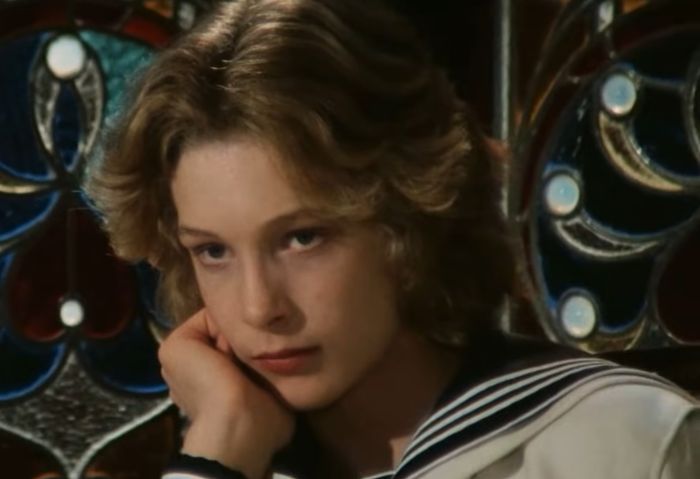
Björn Andrésen’s experience with Death in Venice and his sudden rise to fame at such a young age is a story that highlights both the allure and the dangers of Hollywood’s obsession with beauty. Being cast as Tadzio in Visconti’s haunting film at just 15 years old thrust him into the global spotlight. His delicate, ethereal features became the symbol of youth and innocence, but the attention it brought him wasn’t just admiration—it was objectification, and that distinction made all the difference in his life.
When Visconti called him “the most beautiful boy in the world” at the Cannes Film Festival, it might have been meant as a compliment, but for Björn, it became a label he could never escape. The pressure and burden of being seen as an idealized object of desire at such a young age were overwhelming. In that The Guardian interview, his words — “I have a feeling of being utilised that is close to distasteful” — show just how deeply the experience affected him. What began as a career-defining moment turned into a psychological and emotional weight that haunted him for decades.
The beauty that the world saw on screen wasn’t just an asset; it became a trap. Björn was sexualized and objectified by an industry and audience that cared more about his appearance than his well-being. He wasn’t just an actor; he was a symbol of something unattainable, something to be desired, and something to be exploited. This is one of the darkest aspects of Hollywood’s history with young stars, where the fascination with beauty often eclipses the humanity of the person beneath the image.
The rise in searches about Björn Andrésen following his passing, especially those centered around Death in Venice, Luchino Visconti, and Hollywood’s dark side, is a testament to the impact of his story. While his beauty made him unforgettable, it also made him a cautionary tale about the cost of early fame, the vulnerability of young stars, and the industry’s tendency to exploit rather than protect its talent.
His legacy is now more than just the haunting beauty he brought to the screen — it’s a reminder of the dangers of celebrity culture and the importance of supporting young performers, not just in their careers but in their personal lives. The tragic irony is that while his image may have been immortalized in film, the emotional and psychological scars he carried were far less visible, yet they were every bit as real.
Andrésen rose to fame at age 15 for his role in Death in Venice, in which he played the object of desire of an older man
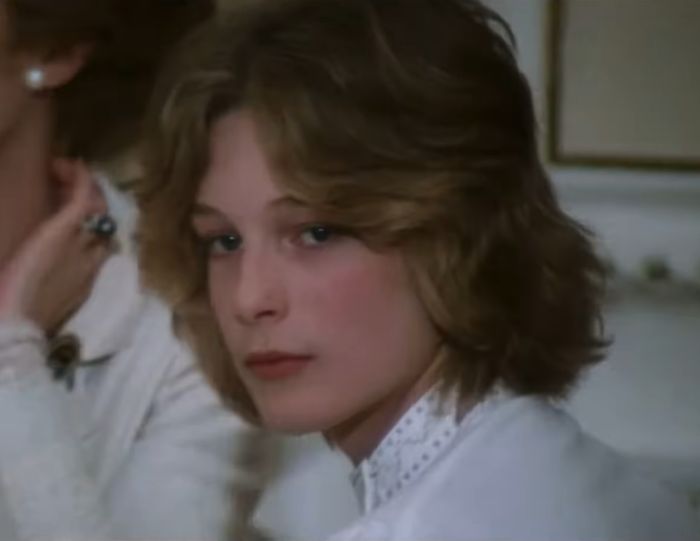
Björn Andrésen’s experience highlights a deeply troubling aspect of fame, especially for young actors. His emotional and intellectual reactions to being objectified and pushed into situations that were not age-appropriate point to a larger, systemic issue within the entertainment industry. The disturbing nature of his experiences with Death in Venice, a film that cast him as a young, beautiful boy desired by an older man, is an example of how youth, especially in the film industry, can be exploited under the guise of art.
The situation with Luchino Visconti and the pressure placed on Andrésen to attend a gay nightclub at just 16 is an example of how young talent is sometimes manipulated, often for the benefit of the film’s or industry’s aesthetic desires, rather than considering the emotional well-being of the actors themselves. His quote about the nightclub experience, where he felt objectified and dehumanized, is a vivid reminder of the dark side of fame that many actors — especially those thrust into the spotlight at a young age — face.
The tragedy of Andrésen’s story serves as a broader reflection on the industry’s past, and perhaps still present, attitudes toward youth and beauty. His experiences touch on themes that go beyond just his own story, resonating with conversations on the exploitation of young stars in Hollywood and beyond, particularly in the context of Death in Venice, which continues to be analyzed not only as a film but also as a symbol of the ways in which the beauty of young stars has been commodified and objectified.
People today might be revisiting these troubling truths to reconsider how the industry has, and continues, to exploit minors for their appearance, often at the cost of their mental and emotional health. His story raises essential questions about the long-term effects of such exploitation — and why the industry needs to reckon with these issues more seriously.
The label was given to him by director Luchino Visconti
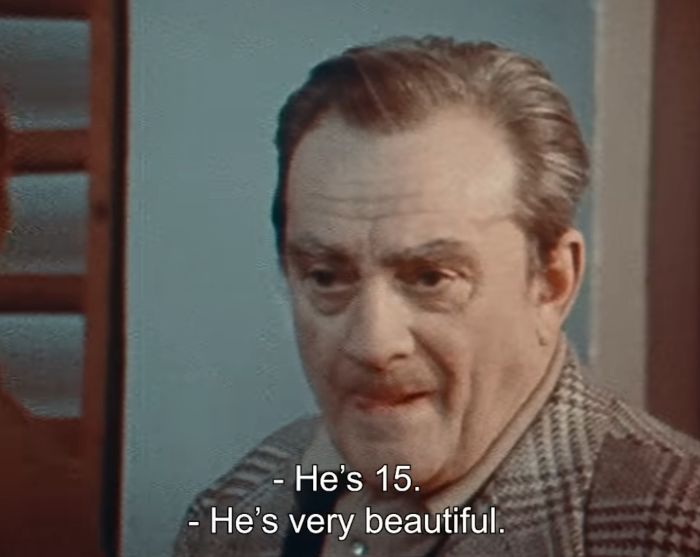
Björn Andrésen’s words and reflections on his experiences offer a stark, painful insight into the darker side of the entertainment industry. His description of being sexualized at such a young age by Luchino Visconti, the director of Death in Venice, reveals the profound emotional toll that early fame can take, especially when individuals are treated as objects for artistic or commercial gain.
Andrésen’s feeling that he couldn’t react to these exploitative situations due to the pressures of fame—“It would have been social suicide”—is a powerful reminder of how difficult it can be for young stars to speak out against abuse or mistreatment, especially when the stakes are so high. His later reflection on how Visconti treated him, calling him a “cultural predator,” is both a personal revelation and a broader critique of how the industry can exploit talent for its own purposes, without regard for the human cost involved.
His story also highlights the ongoing issue of how young actors, especially those in highly sexualized roles, are often used and discarded by the industry when their youth and beauty no longer serve the market. It’s a systemic problem that has plagued Hollywood for decades, and Andrésen’s painful recounting is another reminder that fame can come at a steep emotional price. The surge in searches about his interviews and the controversy surrounding Death in Venice point to a growing awareness of these issues—people are beginning to take a closer look at the exploitation of young stars, and it’s becoming a topic of greater discussion in the public sphere.
The industry’s treatment of its youngest stars, particularly in the context of films that sexualize them, raises important questions about responsibility, ethics, and the power dynamics at play. This growing reflection on Andrésen’s story serves as an urgent call to better protect young talent and ensure that their well-being is prioritized over the pursuit of artistic vision or commercial success.
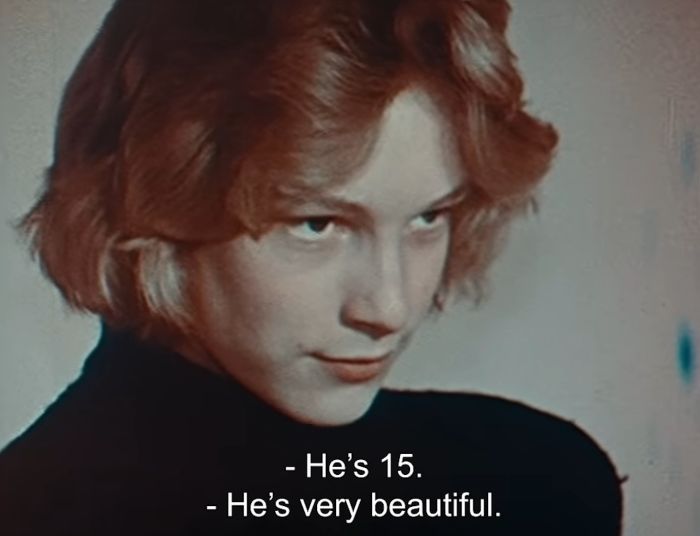
Björn Andrésen’s description of his fame as feeling like “an exotic animal in a cage” powerfully illustrates the dehumanizing aspect of being objectified for your looks, particularly as a young star. The intense focus on his appearance, especially after Death in Venice, left him feeling more like a spectacle than a person, trapped by the very fame that should have been a gift. His words reflect the psychological and emotional toll of being placed under constant scrutiny, where his identity was overshadowed by his physical beauty rather than his personal worth or talents.
His desire for anonymity, expressed later in life, further underscores the exhausting nature of fame. By the time he spoke to The Guardian at 48, he had clearly moved beyond the allure of celebrity, seeking peace and a return to normalcy. His time spent in Japan, where he became an icon and was constantly in the public eye, is a fascinating yet heartbreaking chapter in his life. The comparison to the Beatles’ hysteria speaks volumes about the overwhelming nature of his fame—something that can feel exhilarating at first, but ultimately becomes suffocating.
In Japan, his fame turned into something akin to a cultural phenomenon, with his image plastered across billboards and used to promote products. It was an intense level of celebrity that left him constantly in the public eye, further alienating him from the desire to live a private, normal life.
Today, as people look back at Björn Andrésen’s experiences, there is a growing interest in the complex realities of child stardom, especially in contexts like Japan, where celebrity culture can be particularly intense. His story sheds light on the dark side of fame: how it can quickly shift from something seemingly glamorous to a burdensome and isolating force. This growing awareness around Björn’s journey is an important conversation about the pressures placed on young stars and the emotional price of living under such constant, overwhelming scrutiny.
The surge in searches around topics like child star struggles, celebrity culture in Asia, and Hollywood’s obsession with fame highlights the relevance of Björn’s story in today’s ongoing conversations about the ethics of fame and the protection of young talent in the industry.
The Swedish actor said he felt objectified and exploited
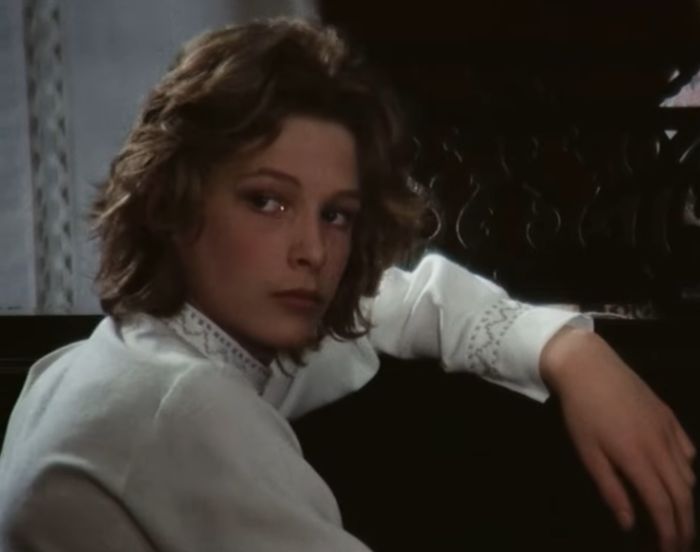
Björn Andrésen’s decision to shift away from roles that focused on his looks speaks volumes about his desire to reclaim control over his career and personal life. After the overwhelming fame that came with Death in Venice, it’s clear that he wanted more than just being a symbol of beauty. By choosing roles in Swedish films and TV shows that allowed him to demonstrate his craft, he sought depth and substance, pushing against the industry’s tendency to typecast him based on his appearance. His move was a deliberate attempt to redefine himself on his own terms, away from the objectification that defined much of his early fame.
His participation in Midsommar in 2019, though a minor role, was a statement of sorts. By that point, his career was not driven by the desire for recognition or Hollywood fame. Instead, he was looking for work that reflected his true self, not just his external image. This role in Midsommar, in a film known for its psychological depth and disturbing themes, likely offered him a chance to step into a more mature, nuanced character, further moving away from the superficiality of his earlier fame.
Björn Andrésen’s decision to focus on work that allowed him to express his craft shows a powerful evolution in his personal and professional life. It also reflects a deeper understanding of the toll that fame took on him in his youth, and how he prioritized authenticity over the fleeting allure of Hollywood’s attention. By stepping away from roles that relied on his physical appearance, he took ownership of his career in a way that many child stars never get the chance to do. His journey continues to resonate with those reflecting on the complexities of fame, especially for young actors who are often boxed in by industry expectations.

Björn Andrésen’s passion for music offers a powerful contrast to the world of fame and objectification he encountered in the film industry. From a young age, he immersed himself in music, studying piano under one of Sweden’s most respected teachers. This early foundation in music allowed him to cultivate a deep love for the art form, which eventually became his true calling. Instead of being confined to the world of film, where he was often objectified for his looks, music provided him with an avenue for authentic self-expression.
His time as a keyboardist for his band, Sven-Erics, marked an important chapter in his life. Touring with the band allowed Björn to explore his creative side, free from the pressures of Hollywood and the intense focus on his appearance. Music gave him the freedom to connect with people on a more personal and emotional level, providing an outlet for his artistic expression and offering a much-needed escape from the suffocating expectations of fame.
As people rediscover Björn Andrésen’s career, there is growing interest in his work in Swedish films and TV, as well as his music career with Sven-Erics. His time in the band reflects a significant aspect of his life that is often overshadowed by his early fame, allowing fans to see a more multidimensional side of the actor. Moreover, his minor role in Midsommar has sparked renewed curiosity, as it represents a later phase in his career when his focus had shifted from being a pretty face to exploring more complex and meaningful work.
Björn Andrésen’s journey through music, alongside his acting career, paints a fuller picture of who he is beyond the celebrity image that was thrust upon him. The growing interest in his music career and his work outside Hollywood reveals a desire to understand the artist on his own terms, and it offers a reminder of how people can evolve and reclaim their identities, even after enduring the intense pressures of early fame.
Andrésen compared the public’s fixation on his appearance to being “an exotic animal in a cage”
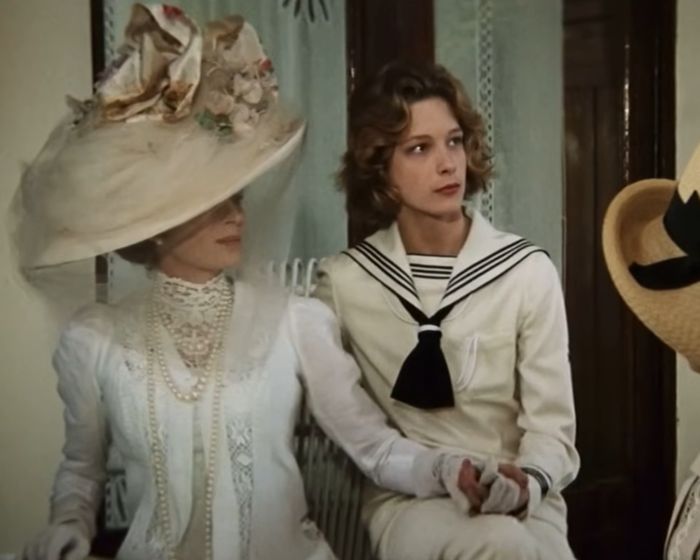
The tragedy that Björn Andrésen faced in 1986, losing his 9-month-old son to sudden infant death syndrome (SIDS), marked a profound turning point in his life. The grief from such a devastating loss would be unimaginable for anyone, but for Björn, it was compounded by the collapse of his marriage shortly thereafter. He described the breakdown of his relationship as an “inevitable divorce,” a painful aftermath that only deepened his emotional wounds.
In interviews, Björn spoke candidly about how these twin blows—the loss of his son and the disintegration of his marriage—plunged him into a dark depression that left him feeling lost. For someone who had already experienced the intense pressures of early fame, this new wave of pain further shattered any sense of stability or hope. It was a period of profound grief and isolation, where it must have seemed like everything he had known—his family, his personal happiness, his sense of security—had crumbled away.
Opening up about this time in his life, particularly in an interview with The Guardian, Björn revealed the depth of his emotional struggles. His willingness to share this raw and personal experience highlights the toll that personal tragedy can take on one’s mental and emotional health, especially when it coincides with a period of vulnerability and loss.
The pain he endured, compounded by the very public nature of his past fame, undoubtedly left lasting scars. This chapter of his life serves as a reminder of the complex realities that many individuals face behind closed doors, especially those who have lived through the intense scrutiny of fame at a young age. In the years that followed, Björn’s journey became one not just of navigating public expectations, but of trying to rebuild his life after deep, personal loss.
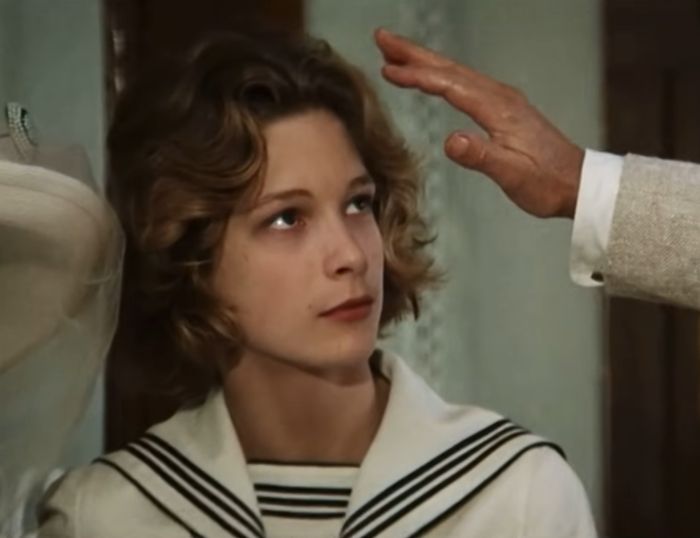
The search for terms like Björn Andrésen family tragedy, SIDS loss grief, celebrity depression stories, and Björn Andrésen divorce highlights the increasing interest in understanding the personal struggles that Björn Andrésen faced in the aftermath of the devastating loss of his son and the subsequent breakdown of his marriage. His story is a poignant reminder that, beneath the public persona of fame, individuals often endure deep and painful experiences that can profoundly impact their lives.
The loss of his 9-month-old son to SIDS, combined with the dissolution of his marriage, deeply affected Björn and led him into a period of depression that lasted for years. For someone who had already been through the emotional strain of early fame and objectification, this personal tragedy became an overwhelming burden. It serves as a stark example of how the pressures of fame and the intense scrutiny of public life can collide with very human, very private pain.
By exploring these searches, people are not only reflecting on the challenges Björn faced but also the broader issue of how mental health struggles, particularly among celebrities, often go unnoticed or misunderstood. The intersection of personal tragedy and the often public nature of a celebrity’s life can make healing all the more difficult, especially when the individual has been thrust into the spotlight from a young age.
Björn Andrésen’s story is part of a wider conversation about how the weight of fame, when coupled with personal grief and emotional hardship, can shape a person’s later years. As more people revisit his experiences, it’s clear that the impact of such tragedies, compounded by the pressures of celebrity, continue to resonate with audiences looking for a deeper understanding of the emotional cost of stardom.
In later years, he worked in Swedish films and TV shows and had a minor role in Midsommar
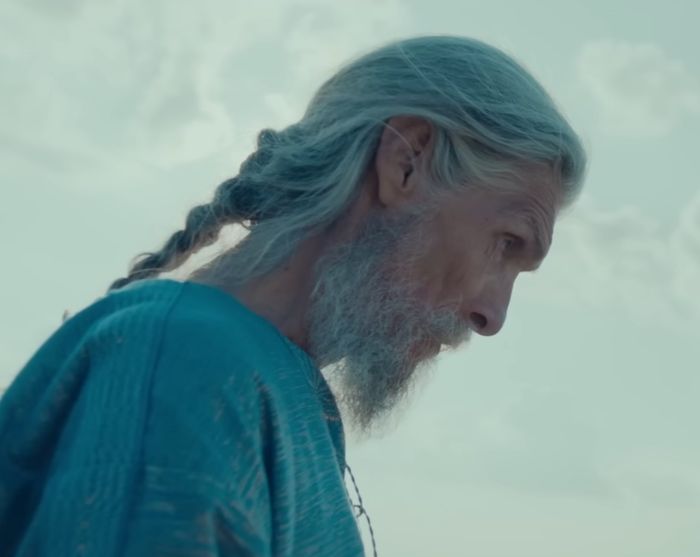
Björn Andrésen’s decision to return to acting in the early 2000s, with a focus on stage performances, marked a powerful moment of personal resilience. After enduring years of personal tragedy and struggles with fame, his return to the stage was not just about acting; it was a deliberate effort to reclaim control over his life and career. His statement, “I have to fight these days, just like anyone else, which actually feels quite all right,” reflects the strength he found in confronting his challenges head-on. For someone who had faced unimaginable loss and endured the emotional toll of early fame, this comeback was a testament to his determination to continue pushing forward, despite everything.
The courage Björn displayed in sharing his complex life story, particularly in his documentary, resonated deeply with those who followed his journey. Lindström, the director of the documentary, described him as a “courageous” person, acknowledging the bravery it took for Björn to be so open about his life, struggles, and the toll fame had taken on him. Their years of working together provided a unique and intimate insight into his world, and Lindström’s reflections capture the deep emotional impact of witnessing Björn’s continued strength despite his personal battles.
Sadly, Björn Andrésen’s battle with cancer eventually led to his passing, as reported by RTE. His death has prompted an outpouring of tributes, as people remember not only his work as an actor but also the profound strength he demonstrated throughout his life. His story, marked by both incredible pain and remarkable resilience, has left a lasting impact on fans, friends, and those who knew him.
With searches now trending around Björn Andrésen cancer battle, Björn Andrésen documentary, stage performances by actors, and celebrity resilience, it’s clear that his journey continues to inspire those reflecting on the complexities of fame, personal loss, and the courage required to navigate such challenges. His legacy is one of strength, perseverance, and the enduring desire to reclaim agency over one’s life—even in the face of overwhelming odds.