

Banned for Tipping 10%: When Bad Service Leads to Worse Management
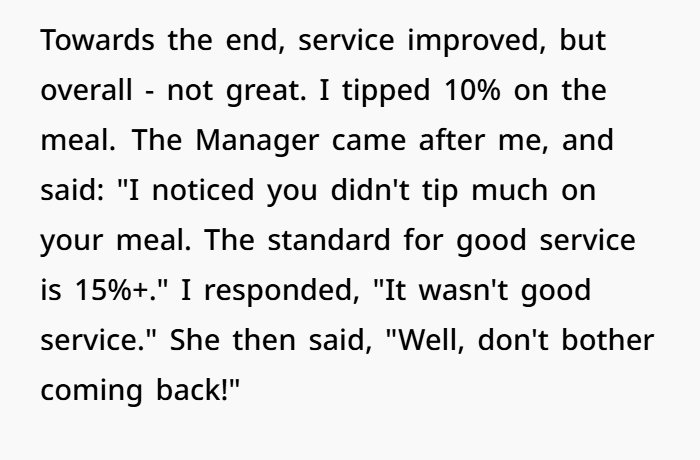
The question of tipping is traditionally a source of heated discussion in the realm of hotels and restaurants, especially when customers feel their demands are not being attended to. A tale in which an angry diner describes a diner experience at a highly priced French establishment — the service was miserable and pompous and the overbearing owner confronts the patron. The manager approached the customer after a 10% tip (the service was appalling) and demanded that the customer leave and (in fact) banned them from going back to this place! The story illustrates the many nuances in tipping culture but also touches upon something that has been (and continues to be) one of the most troubling aspects in the restaurant business: how a government’s policy can intersect with a restaurant’s management style.
Leaving a tip is optional, but many service providers view it as a given, unrelated to the effort they’re willing to put in
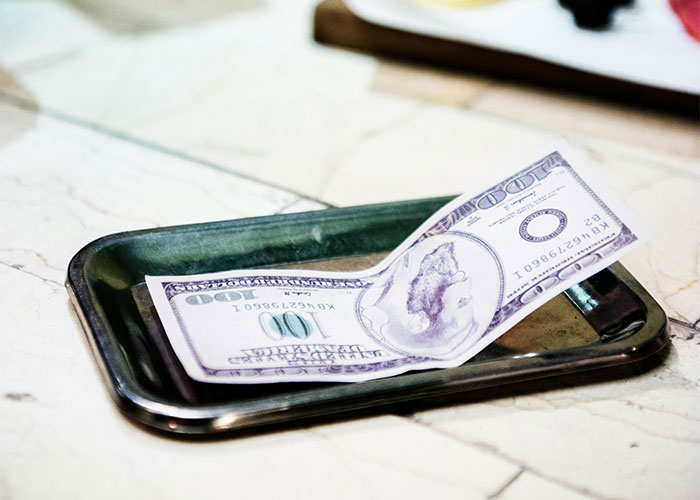
This customer had to explain herself to the restaurant manager after leaving a 10% tip
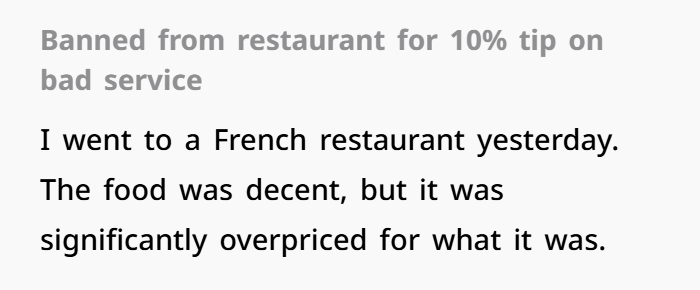

Tipping Culture, Poor Service, and Industry Exploitation
The Tipping Standard and Its Context
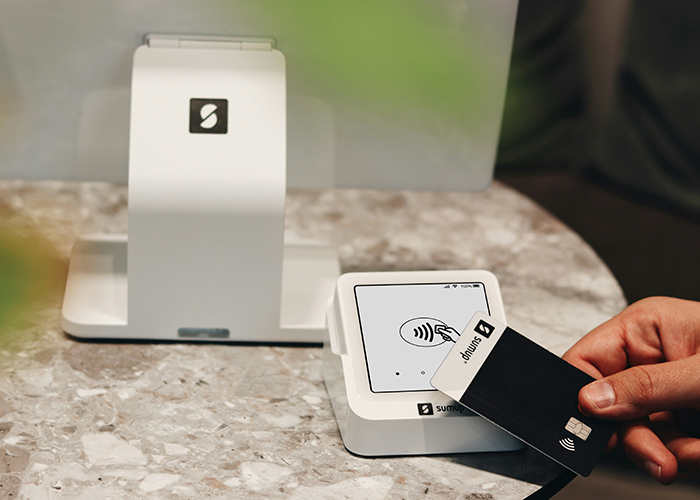
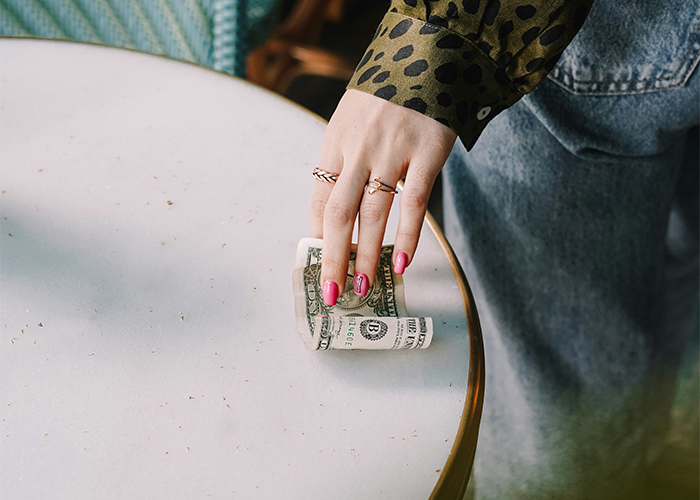
Usually, tipping in the U.S. indicates the service rendered, where 15%-20% is the norm. Since the federal tipped minimum wage is as low as $2.13 per hour in some states, tipping is a large part of a server’s pay, per the National Restaurant Association. Negative: While tipping any less than 15% is generally frowned upon, there is no control mechanism. In this instance, they customer is fully entitled to leave this sort of tip because the service was underpar, and the decision to give 10% instead of 15% was an immediate reaction to that.
Service Standards and Customer Experience
The dining experience described paints a picture of managerial and operational issues:
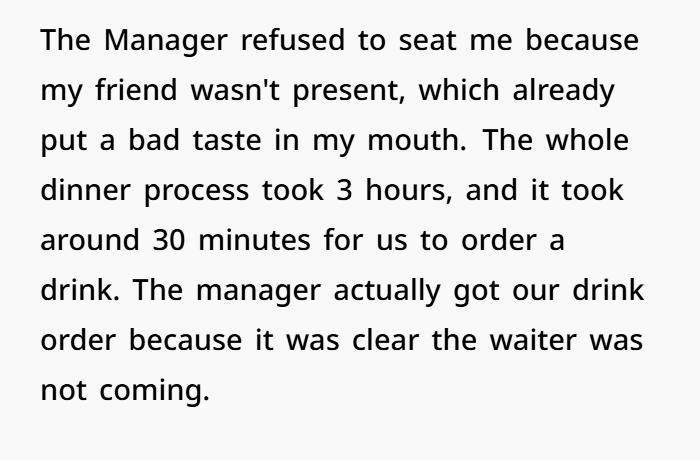
- Refusal to Seat Without a Full Party: This policy, while common in some restaurants, can alienate customers, especially when handled poorly.
- Prolonged Wait Times: The lack of prompt attention and delays in ordering drinks often signal understaffing or mismanagement. Research published in Cornell Hospitality Quarterly highlights that customer satisfaction is directly tied to timely service and attentive staff.
- Managerial Misconduct: The manager’s confrontational behavior breaches basic hospitality norms, further diminishing the customer experience.
Questionable Employment Practices in the Industry
It also alludes to the ways in which the restaurant system itself is broken, in terms of stuff like undocumented workers or shady tipping practices. They are also more likely to lose wages to wage theft, a 2018 Economic Policy Institute report found, with managers skimming tips from workers. And if these are undocumented workers as alleged, these individuals are even more vulnerable to exploitation due to the lack of legal protections.
Ethical Management vs. Customer Blame
Instead of chastising a customer for leaving a smaller tip, a more proactive manager shows how the service may have been affected by systemic issues. This covers fair roster, sufficient staffing, also creating satisfactory working conditions for workers. Mistaken anger directed at patrons does not only hurt the restaurant’s reputation but indicates greater operational failure.
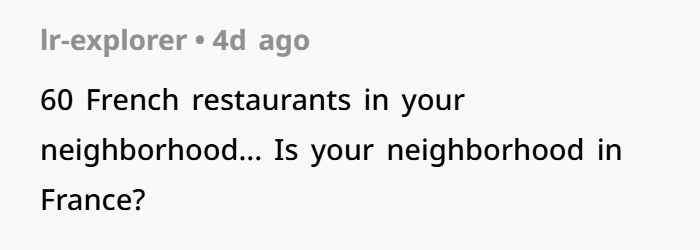
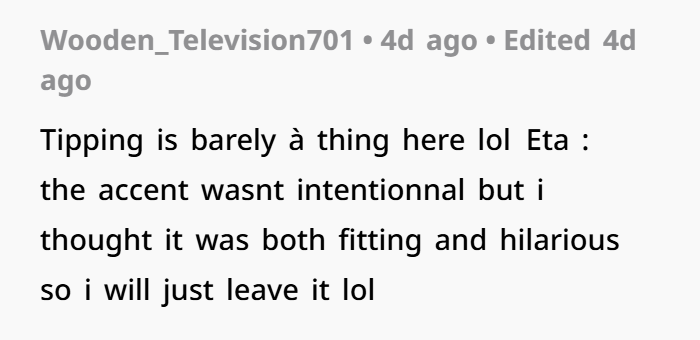
The OP provided more details about the situation
The reality here is part of a larger system wide chud, all the parasite from giving you a 15$ sandwich to the landlord to the tip shared for the karen cashier. For all that tipping customs surely exist to help those in service positions maintain a modest livelihood, systemic exceptions and standards of service gold should be adjusted and held up to the same scrutiny to protect those whose hard work can often go unnoticed and to help bring balance and harmony between patron and employee. For now, one of the best things that diners can do to send a message to the industry is to vote with their wallets by frequenting restaurants with responsible practices.