
Man Draws the Line: Refuses to Let Hoarder In-Laws Move In Due to Unhealthy Living Habits
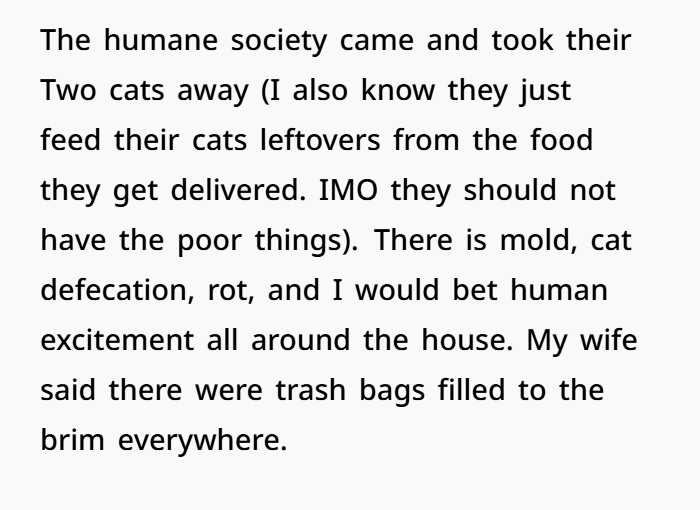
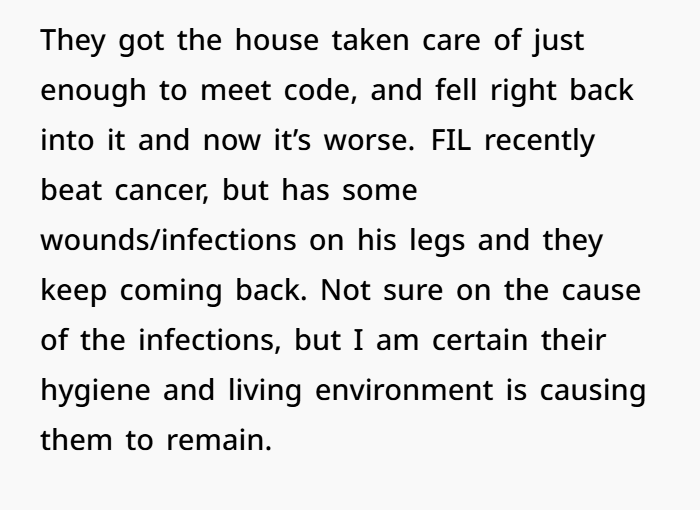
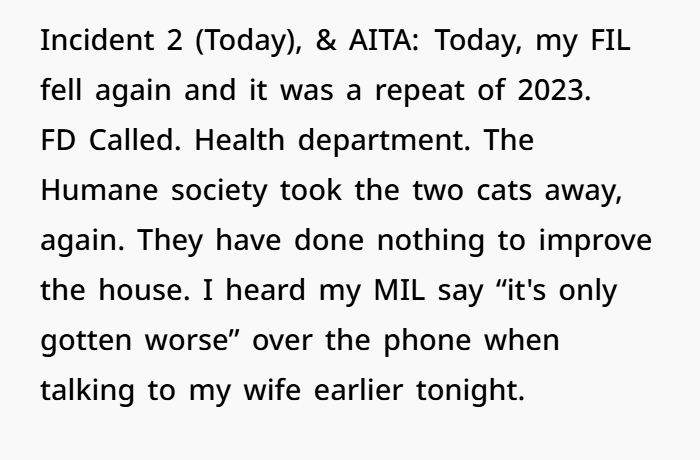
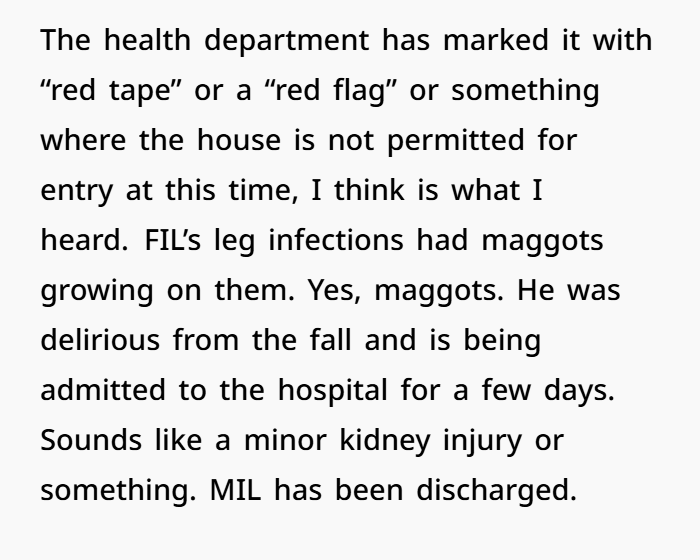
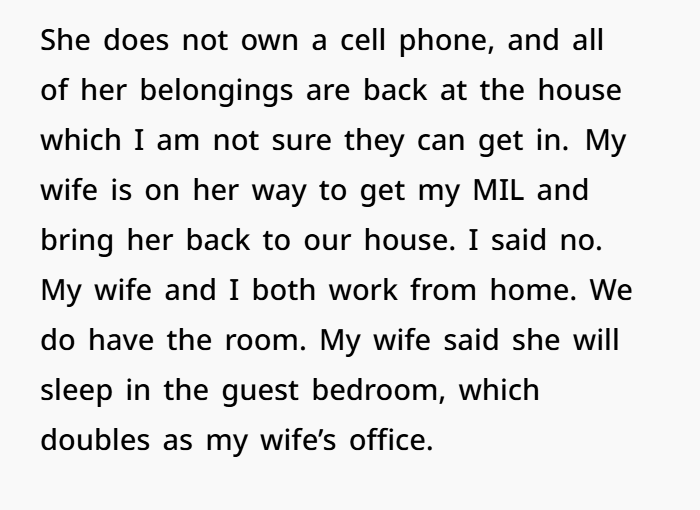
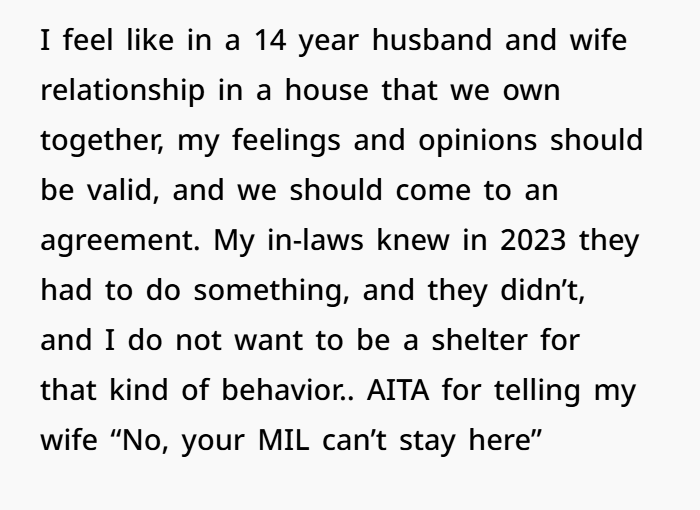
After being forced out of their unsafe, unsanitary house, a husband and wife have a very difficult dilemma on their hands involving the wife’s hoarder parents. The husband (OP) said that he was not keen on letting his wife (W) and wife (W) stay at their shared house because the FIL and MIL have both neglected their home and their health for years. After another intervention by the fire and health departments following a recent fall by FIL, the couple was again ordered out of the home, it was ruled unfit for human habitation. MIL had nowhere to go and she tried to crash with her daughter but OP said “no way,” he wasn’t going to put up with her forever.
Things got heated because OP complained that the in-laws have ignored everything they have ever told the in-laws about their hoarding and hygiene habits. OP’s wife wants to have her mother to stay with them for a few weeks to help her, but OP believes this would only allow OP’s mother in law to continue being irresponsible and would create problems in their house. Now OP is wondering: am I the round here for putting my foot down and not shattering his life through my own home?
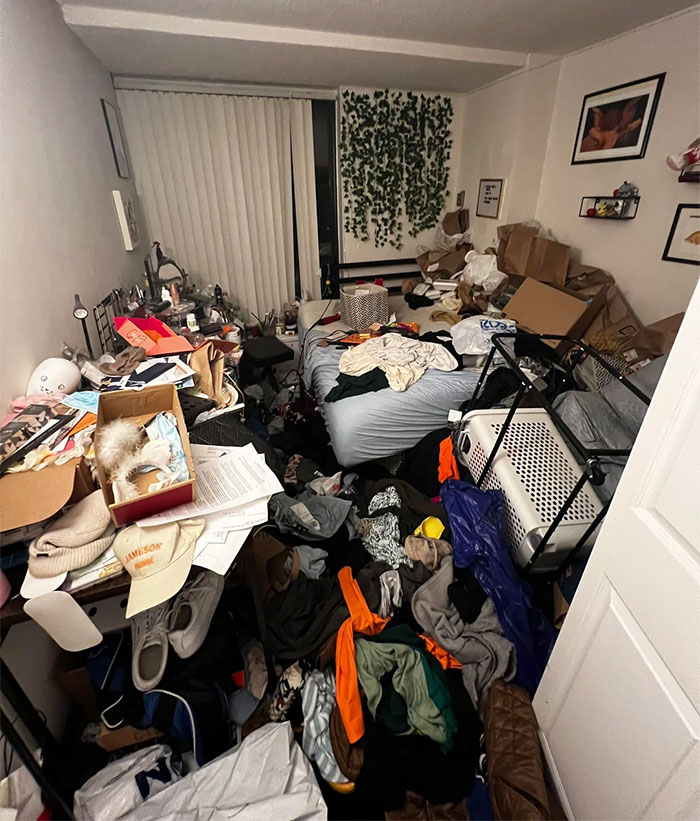
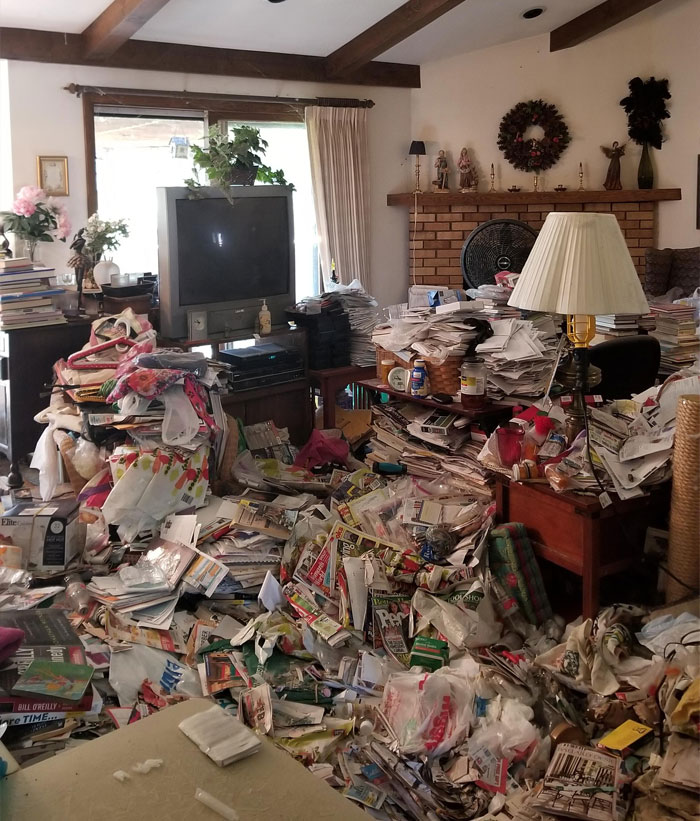
Not being able to part with belongings can reach an extreme where a home is no longer safe to live in
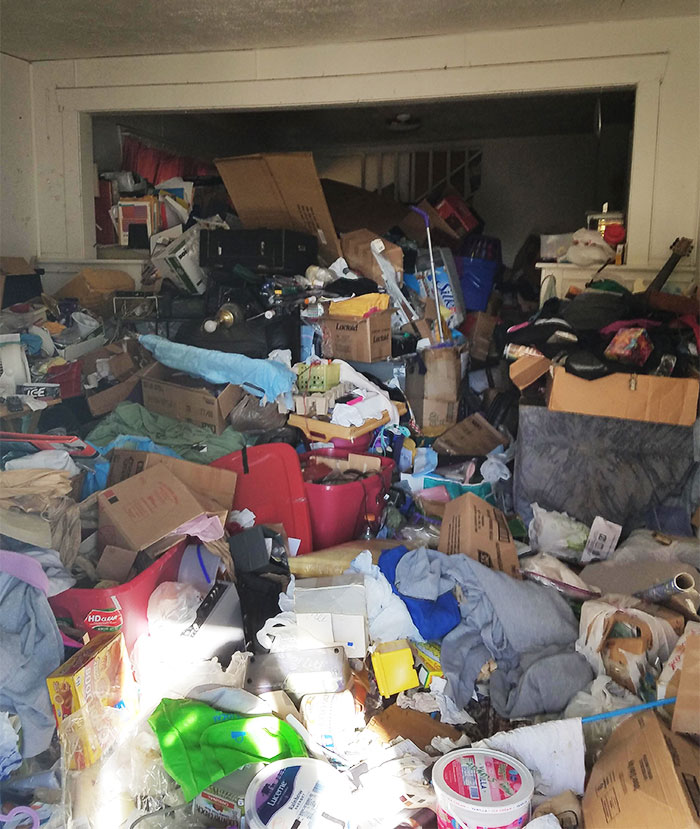
Like what happened with this guy’s in-laws, whose home was condemned for a second time and they had nowhere to go, as he didn’t want to let them in his home


The Ethical and Practical Dilemmas of Supporting Neglectful Family Members
1. The Reality of Hoarding as a Mental Health Disorder
Hoarding disorder is an important mental illness defined by the American Psychiatric Association (APA) in which people have the inability to discard their belongings, resulting in significant disorganization and squalid living conditions. Several studies published by the National Institute on Aging (NIA) indicate that hoarding behaviors so often worsen over time — and especially so without treatment. A hoarder may seem very much mentally present, but there are plenty underlying issues — anxiety, depression, trauma and the like — that often scramble a hoarder’s ability to understand or even feel the urge to behave differently. The in-laws probably should not be solely put up in an Air B&B but need serious outside help to not perpetuate the same cycle over again.
2. The Risk of Enabling
Letting MIL live with us might inadvertently reinforce her and FIL’s entitlement to act this way with nobody to shove accountability down their throats. As explained in Psychology Today, enabling occurs when caring actions — such as enabling someone to escape temporarily — impedes someone from resolving their core issues. Having MIl over will create this reliance on OP to solve things and will not help toxic in-laws problem. Someone who works as a licensed therapist and knows how to treat hoarding is likely to give you a more sustainable long-term solution.
3. Health and Safety Concerns
The filthy state of the in-laws’ house plus the multiple infections FIL gets draw attention to hoarding and the very real dangers to health it presents. Exposure to molds, decaying organic matter, and pest infestations can give us infectious diseases. Honestly, every bit of OP putting the cleanliness and safety of his household first is warranted if so, especially if FILs untreated leg ulcers had maggots in them— so at least a level of medical neglect;)
4. Balancing Spousal Boundaries and Compassion
In a marital relationship, decisions which impact the household must be made in consensus. OP wants to have boundaries — especially with his girlfriend in the same house. Sympathy for his wife–who probably wants to be a good daughter–and the situation is also key. Experts focused on resolving conflicts urge setting certain limits while remaining open to negotiation, like assisting Hunnes with discovering brief lodging through nearby assets like crisis sanctuaries or adult protective services.
5. Available Support Options
While refusing to host MIL indefinitely, OP and his wife can still assist by leveraging community resources:
- Adult Protective Services (APS): APS can evaluate the in-laws’ situation and connect them with services to address their living conditions and health needs.
- Nonprofit Organizations: Groups like The National Alliance on Mental Illness (NAMI) offer support for families dealing with hoarding-related challenges.
- Temporary Housing Assistance: Many local governments provide short-term solutions for individuals displaced from unsafe homes.
With MIL being redirected to proper systems of support, OP and his wife can still be giving without stretching their own household too thin.
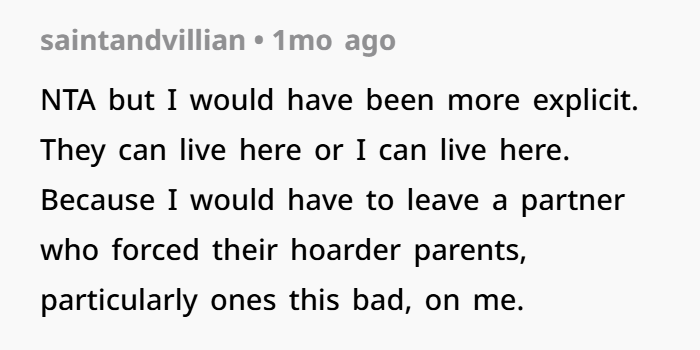
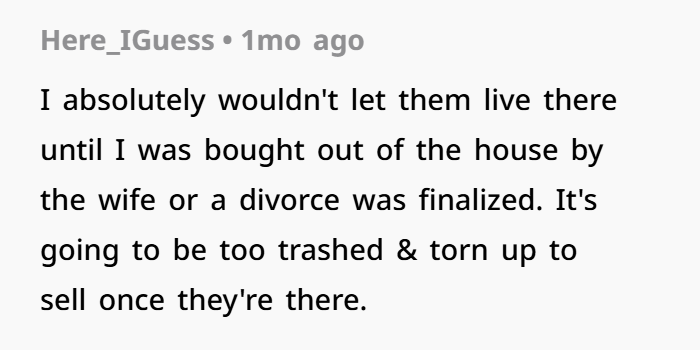
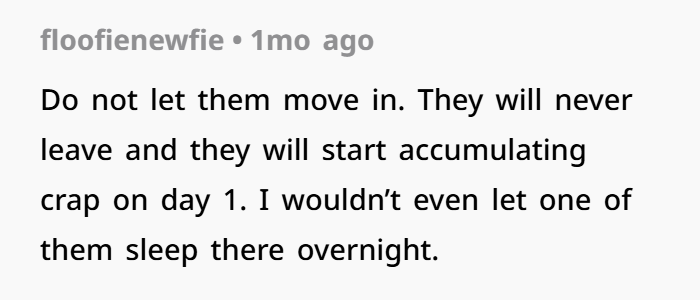
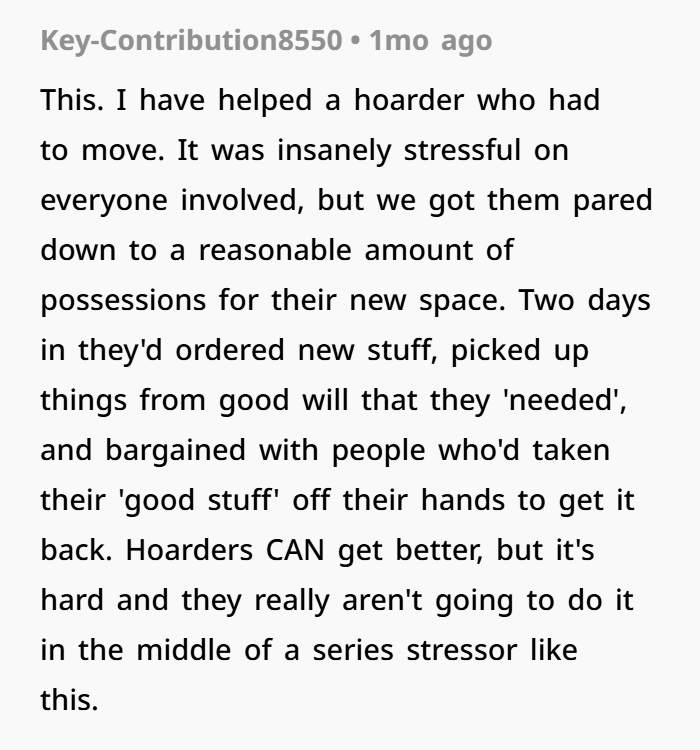
Most readers justified the author’s behavior


- Hoarding Requires Professional Help: Hoarding disorder is a complex mental health issue that demands long-term intervention, not temporary fixes.
- Enabling vs. Supporting: Providing shelter may enable neglectful patterns, while connecting in-laws to professional resources promotes accountability.
- Shared Decisions in Marriage: Spousal boundaries must be respected, but empathy and compromise are crucial in navigating family crises.
- Utilizing Community Resources: Redirecting displaced family members to local services ensures they receive adequate care and guidance.
OP is not unreasonable to put the well-being of his family first, or the stability of his household, but rather setting boundaries and trying to advocate for a better way forward.