
Discovering My Rare Birth Anomaly: From Frustration to Fascination
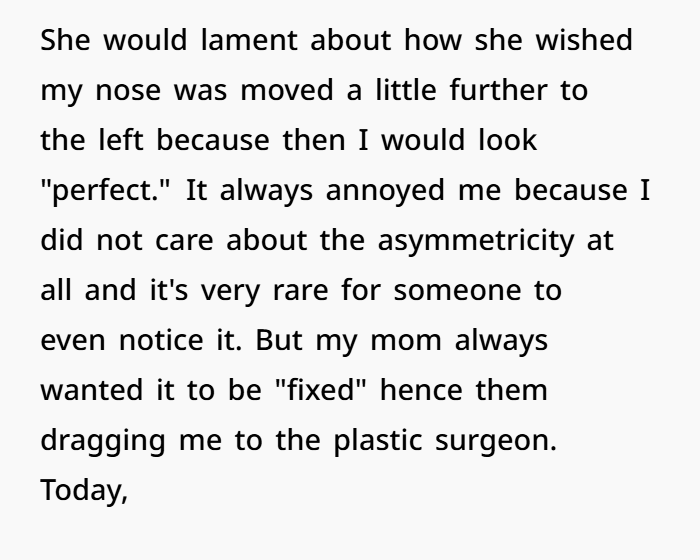
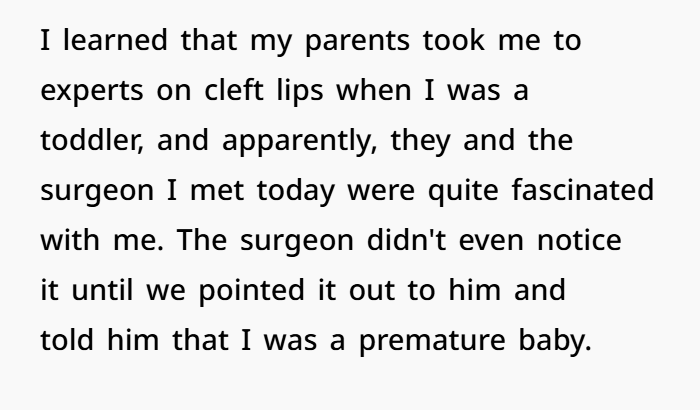
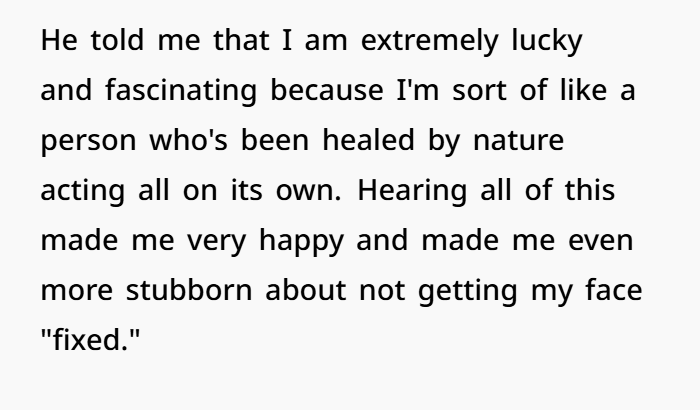
And which can sometimes feel like the reason we get so annoyed — that can become the ultimate light bulb moment: just how different our own bodies actually are. The story: A parent signs her kid up for a consultation for a nose job or other form of facial surgery because the parents saw an asymmetry — in other words, something so minor that it would never be noticed after the kid had finished growing. What began as irritation however grew to become intrigue however, as a result of following his consultation, he discovered a stunning fact: that they had been born with congenital healed cleft lip (CHCL), most probably known as microform cleft lip (MCL) — a uncommon sort of cleft lip that naturally heals itself in the womb.
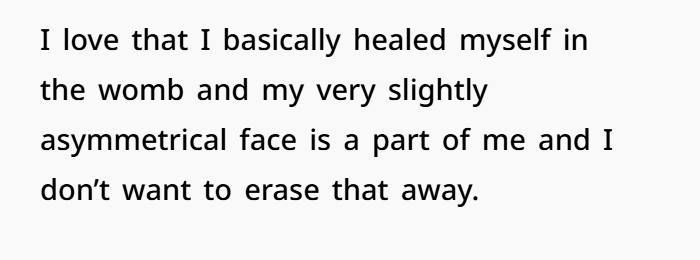
While the condition was mostly imperceptible to those around them, it had been at the center of their mother’s attention from early on. But then, as they learned how her distinctive face had been the result of both the way she had been born and the natural healing process that had followed, they were able to think differently. Now they embrace the asymmetry as a celebration of nature and their own uniqueness. This was an inspiring tale of self-acceptance amidst rare congenital wonders.
This person was less than thrilled when their parents made them an appointment with a plastic surgeon
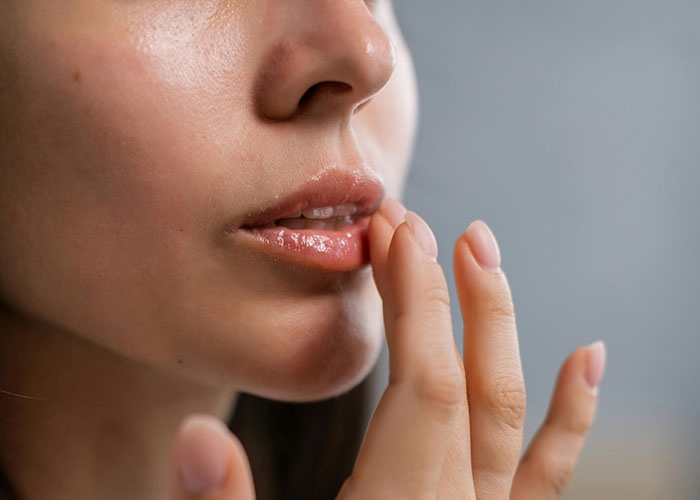
But they were surprised to learn some exciting information about themself during the visit
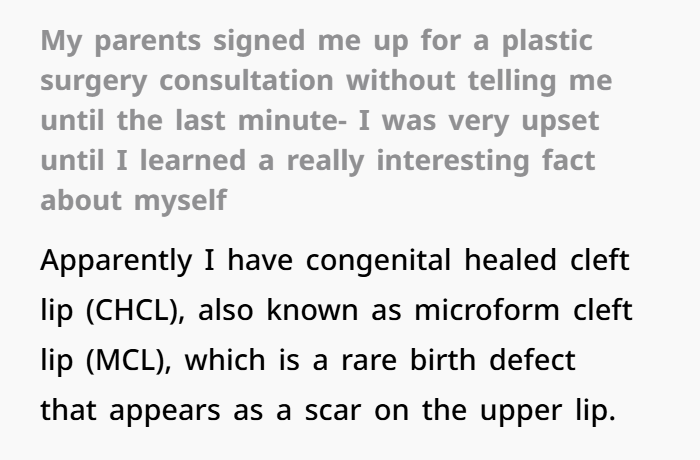
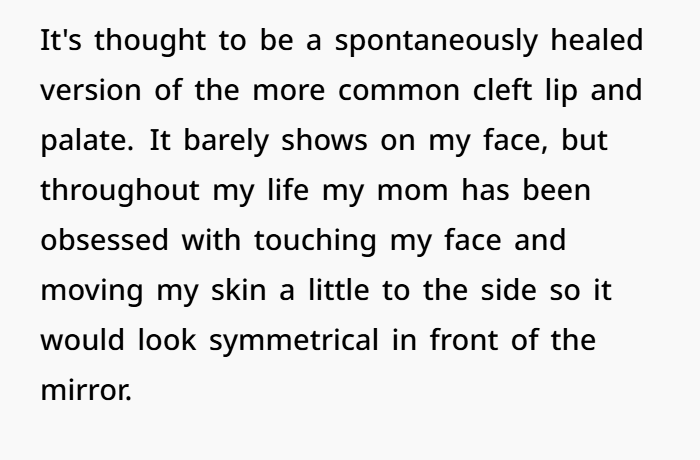
Understanding Congenital Healed Cleft Lip (CHCL)
What is Congenital Healed Cleft Lip?
AbstractCongenital healed cleft lip (CHCL), or microform cleft lip (MCL) is an uncommon but fascinating condition. While normal cleft lips necessitate surgical repair postnatally and results in a longer-term cleft in the lip, CHCL may manifest as a faint scar or asymmetry of the upper lip that may not be noticed unless specifically looked for. A more recent study in the American Cleft Palate-Craniofacial Journal suggests the phenomenon takes place when a cleft starts to form during early development, but is repaired in utero, leaving little trace behind.
Although the precise mechanisms are still being explored, this spontaneous healing process is believed to involve an unusual combination in genetic and environmental drivers. Due to the rarity of CHCL, it is often able to be described as a natural miracle in the medical world!
Societal and Emotional Impacts of Facial Differences
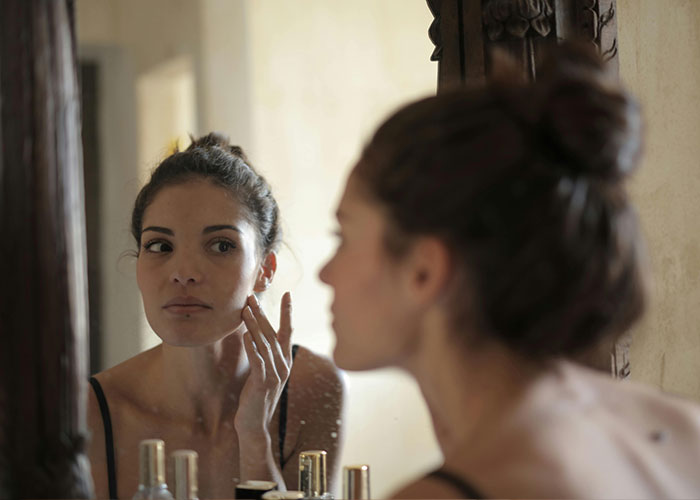
In this case, our narrator ends up feeling like their life umbrella has expanded — but so many people with facial differences that are — you know, quite visible — or, by virtue of something they say, even fleetingly perceived, experience a very different kind of life where they are challenged constantly to conform to those ever so narrow standards of beauty. Research from the Cleft Lip and Palate Association (CLAPA) has revealed that self-perception is heavily dependent on family attitudes towards facial asymmetry or other features. For instance, parents who obsessively focus on “correcting” whatever small peculiarities they see, may subconsciously cause their children to develop a low self-esteem, or inferiority complex in them.
On the contrary, accepting such diversities creates resilience and confidence. Their transition from frustration at their mother’s insistence on “fixing” their asymmetry, to pleasure in their body for moving towards healing the way that it knows how, illustrates how profound acceptance can be.
Why We Should Celebrate Rare Anomalies
The understanding of which as we know somewhat at the moment could be deprived from rare congenital anomalies as CHCL introducing the complexity of human development and the resilience of the body on the face of all odds. But such conditions aren’t simply curiosities to drool over, as the National Organization for Rare Disorders (NORD) notes — they’re tales of life that highlights human diversity and adaptability. Recognizing and cherishing these differences will bring us one step closer to a world that appreciates diversity instead of conformity.
The Ethics of Cosmetic Surgery for Minor Anomalies
In an era dominated by cosmetic surgery, should everyone be pushed towards “perfection,” particularly for people with small and unnoticeable genetic anomalies? Doctors advise against unnecessary procedures due to social or family pressures, especially when no need for correction is felt by one self. American Society of Plastic Surgeons (ASPS) and similar organizations maintain that informed consent and self-determination ought to be the priority, urging us to celebrate difference and diversity rather than work to erase them.
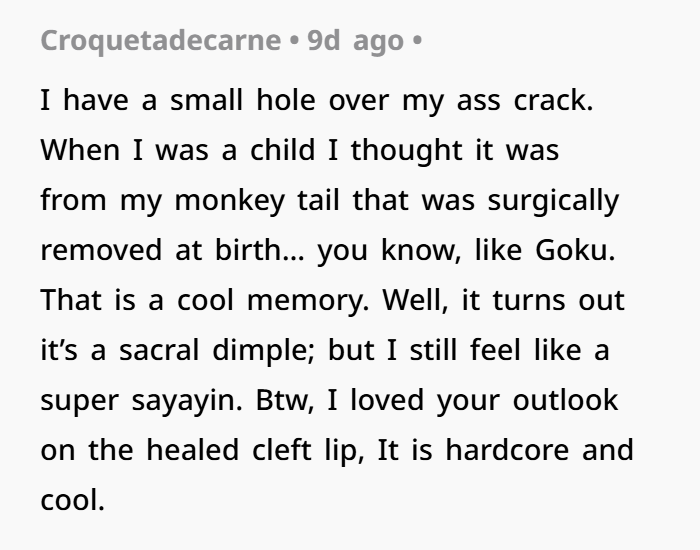
Readers shared their reactions, as well as some similar stories of their own, and the author joined in on the conversation







And maybe, just maybe, this story acts as a gentle reminder about the beauty of our individuality and the need to continue resisting, ever so silently, the pressures society seem to put on us. Conditions such as CHCL are in themselves biological imperatives, except for proof that their is diversity, and part of diversity entails embracing that which make us different from others.